Sun tan: how to stop it, then fade it
Skinmax · · 5 min read · এই গাইডটি বাংলায় পড়ুন
A tan is your skin making extra melanin after UVA light reaches it, so the first step is to stop adding to it: a sunscreen marked PA++++, two finger-lengths for face and neck, reapplied every two to three hours when you are outdoors. Once new tan has stopped building, vitamin C in the morning and alpha arbutin at night fade what is there, and a glycolic toner a couple of nights a week speeds it up. Most tans fade in four to eight weeks.
ট্যান হলো রোদের UVA রশ্মি লাগার পর ত্বকের বাড়তি মেলানিন তৈরি, তাই প্রথম কাজ নতুন ট্যান থামানো: PA++++ লেখা সানস্ক্রিন, মুখ আর গলার জন্য দুই আঙুল সমান, আর বাইরে থাকলে দুই-তিন ঘণ্টা পরপর আবার লাগানো। নতুন ট্যান জমা বন্ধ হলে সকালে ভিটামিন সি আর রাতে আলফা আরবুটিন জমে থাকা ট্যান হালকা করে, আর সপ্তাহে দুই রাত গ্লাইকোলিক টোনার কাজটা দ্রুত করে। বেশিরভাগ ট্যান চার থেকে আট সপ্তাহে হালকা হয়।
Your routine
Tap each step as you do it. We'll remember today's ticks.
Sunburned or red skin first gets soothing only: no glycolic acid and no vitamin C until the redness has gone.
Cash on delivery. We'll confirm sizes and stock in the chat.
A rickshaw ride at noon, a day at a wedding outdoors, a week of walking to class: in Bangladesh, a tan builds without trying. It shows on the face, the neck, the back of the hands and the forearms, wherever the sun lands, and it stops in a line at your sleeve or watch strap.
That line is the clue. A tan is not a mark that sits in one spot like a dark spot after a pimple. It is your skin's response to sunlight, spread across everything the sun reached. So the fix starts with the sun, not with a serum.
Why skin tans
Sunlight carries two kinds of ultraviolet rays that matter here. UVB burns: it's what turns skin red and sore after a day at the beach. UVA goes deeper, passes through clouds and window glass, and is the main reason skin darkens. When UVA reaches the skin, pigment cells make more melanin to protect themselves, and that extra melanin is the tan.
Darker and olive skin, which most of us have, tans faster and holds the colour longer than fair skin. That's not a flaw. It does mean a tan here takes patience to fade.
Step one: read the PA, not just the SPF
SPF measures protection from UVB, the burning rays. It says nothing about UVA. For that, look for PA++++ on the tube: the more plus signs, the more UVA protection, and four is the top of the scale.
Beauty of Joseon Relief Sun: Rice + Probiotics is SPF50+ PA++++ with modern UVA filters and wears lightly under humidity. If your skin turns oily by noon, La Roche-Posay Anthelios UVMune 400 Oil Control Fluid protects against the longest UVA rays and dries matte.
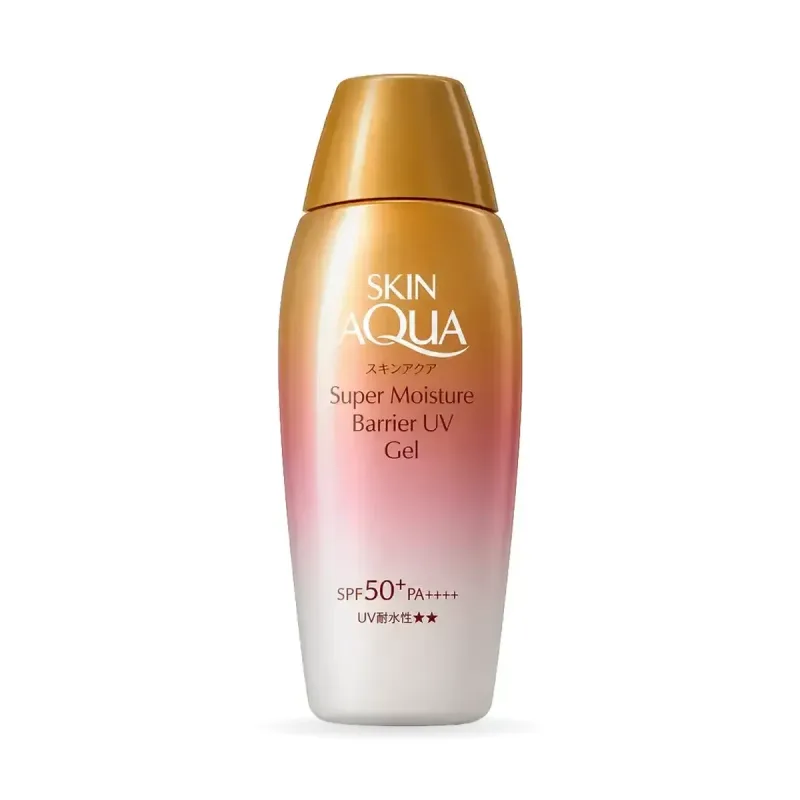
Use two finger-lengths for the face and neck. Most people use a third of that, and a thin layer gives a fraction of the number on the label. Don't forget the neck, ears and the backs of your hands. A big tube like Skin Aqua Super Moisture UV Gel makes arms and hands easy.
Step two: reapply
Sunscreen wears off with sweat, wiping and time. If you are indoors all day, the morning layer is mostly enough. If you are outside, reapply every two to three hours, and after sweating heavily.
Over makeup, a stick is the easiest way: Beauty of Joseon Matte Sun Stick: Mugwort + Camelia glides over foundation without lifting it. Add an umbrella, a cap or a scarf on long days. Shade is the one sun protection that never wears off.
Step three: fade what is already there
Only once new tan has stopped building is it worth fading the old one. Two ingredients do most of the work.
- Vitamin C in the morning. It slows melanin making and is an antioxidant, which backs up your sunscreen. Melano CC Vitamin C Anti-Spot Essence is a light, fast-sinking choice.
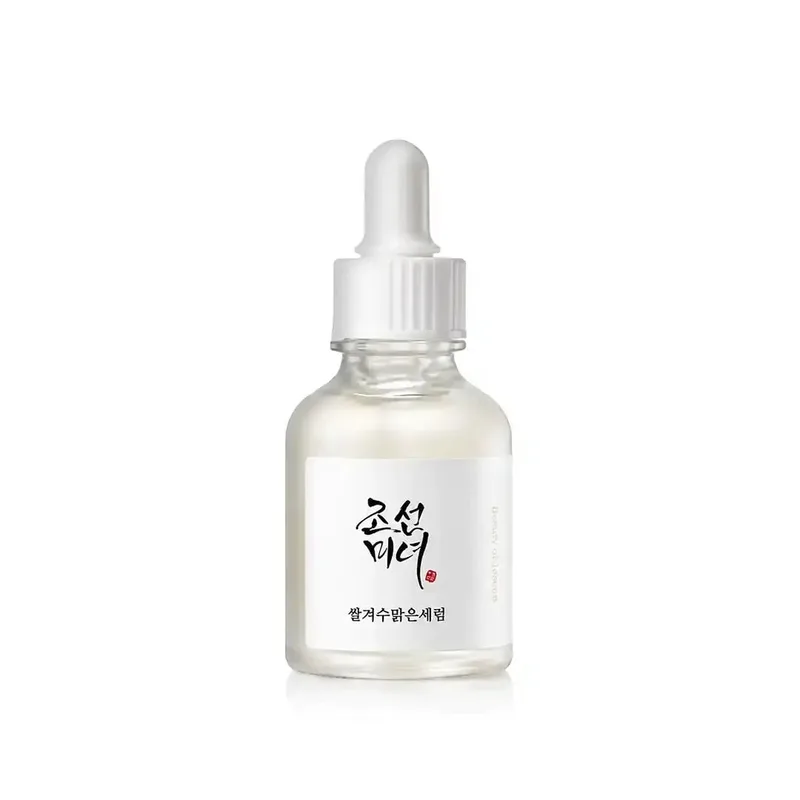
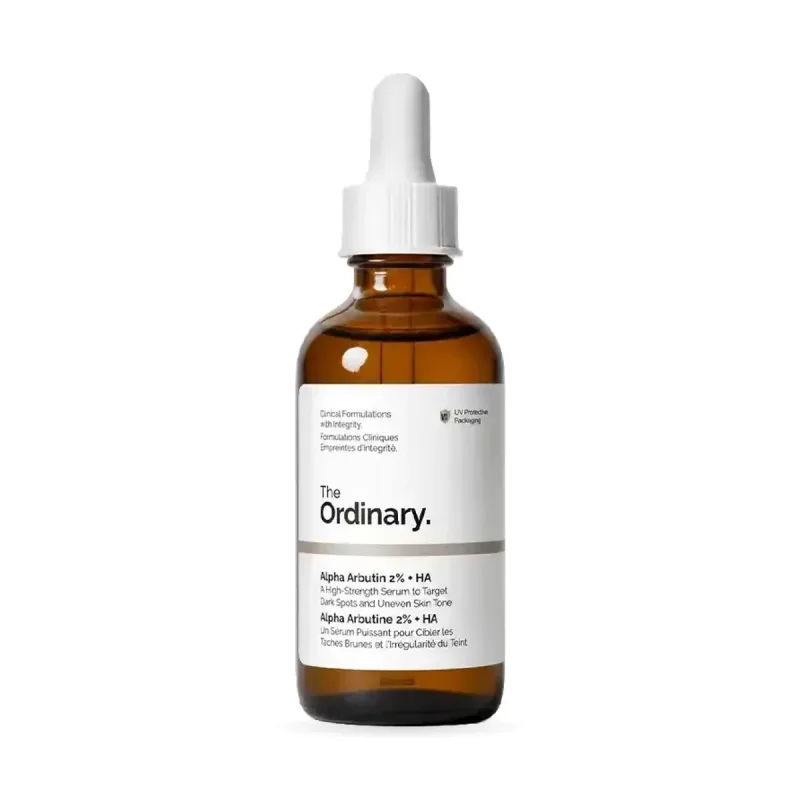
- Alpha arbutin at night. It calms the enzyme that makes melanin, and it is gentle enough to use every night. Beauty of Joseon Glow Deep Serum: Rice + Alpha Arbutin or The Ordinary Alpha Arbutin 2% + HA.
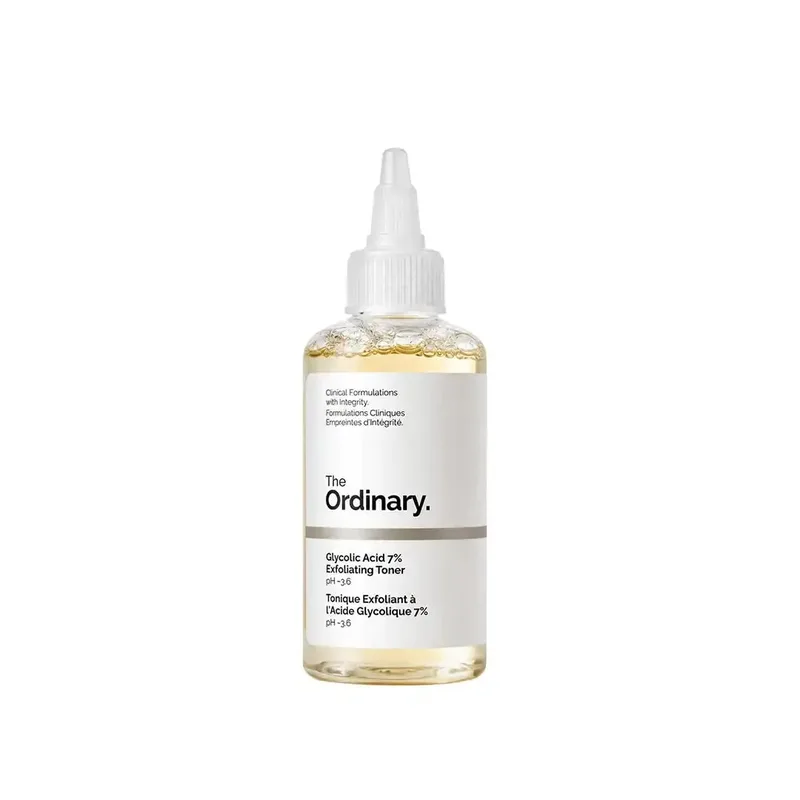
To speed things up, The Ordinary Glycolic Acid 7% Exfoliating Toner two nights a week lifts the darkened top layer as it renews. Exfoliated skin burns more easily, so on those weeks sunscreen is not optional.
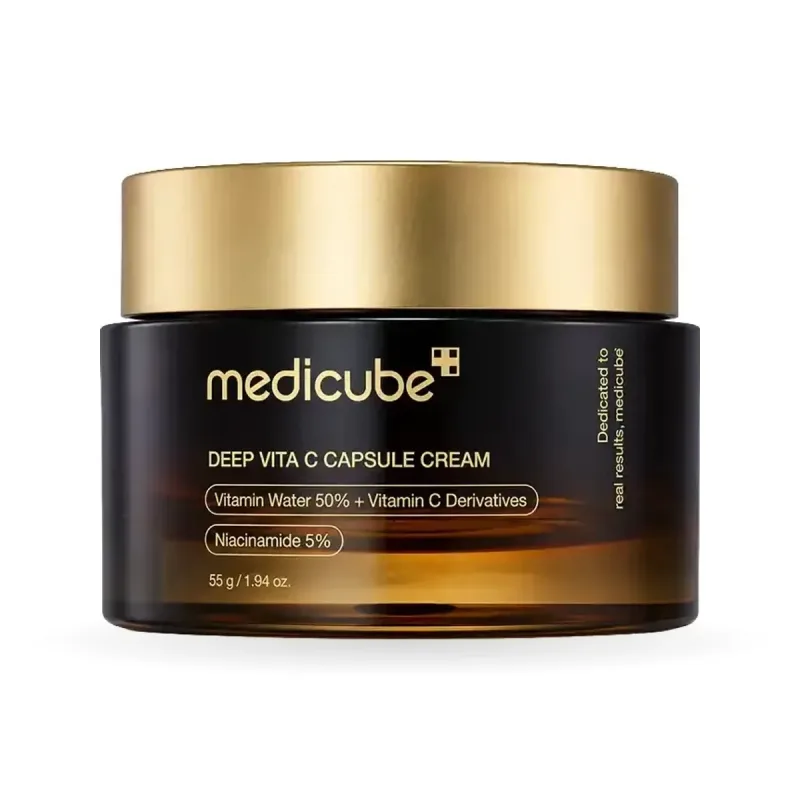
If you prefer one rich step at night, Medicube Deep Vita C Capsule Cream pairs several forms of vitamin C with alpha arbutin. It contains fragrance, so patch test it first if your skin reacts easily.
If you are red, not brown
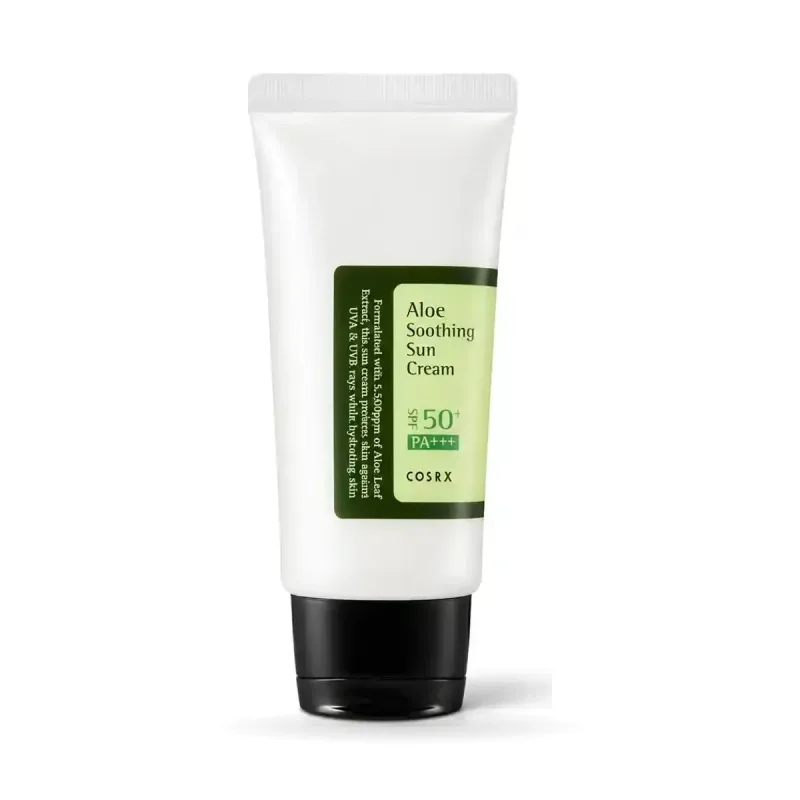
Skin that is red, hot and sore after the sun is burned, not tanned yet. Soothe it first: cool water, a calming toner like Anua Heartleaf 77% Soothing Toner, and a gentle sunscreen like COSRX Aloe Soothing Sun Cream the next day. No acids and no vitamin C until the redness has gone. A burn that blisters or comes with fever needs a doctor.
What to skip
Lemon juice, raw tomato, toothpaste and bleach-style "fairness" packs are the usual home fixes. Lemon in particular can cause a burn of its own when skin with citrus juice on it meets the sun, leaving darker patches than the tan. Scrubbing hard doesn't remove a tan either; it only irritates skin, and irritated skin darkens.
How long it takes
Expect four to eight weeks for a tan to fade with daily sunscreen and a brightener, longer on the hands and arms, and longer if you keep adding new tan. Take a photo in daylight on day one and compare at week four, not every morning.
If a patch is darker than the rest, has sharp edges and doesn't fade, it may be melasma or a dark spot rather than a tan. Our dark spots guide covers those, and a dermatologist can tell you which it is. For more on choosing a sunscreen, see how to choose a sunscreen in Bangladesh.
We sell the products named here, so weigh our picks with that in mind.
Do this, skip that
Swipe the cards
Myth or fact?
0/4Take a guess, then see why.
1 / 4
“SPF 50 means full protection from tanning.”
It's a myth. SPF only measures protection from UVB, the burning rays. Tanning is mostly UVA, which the PA rating measures. Look for PA++++.
2 / 4
“You can tan through a car or bus window.”
It's a fact. Ordinary glass blocks most UVB but lets a lot of UVA through, and UVA is what tans. Sunscreen is worth it on long rides by the window.
3 / 4
“Brown skin doesn't need sunscreen.”
It's a myth. Brown skin burns less, but it tans faster and holds dark marks longer. Sunscreen is the main way to stop both.
4 / 4
“Lemon juice is a safe way to remove a tan.”
It's a myth. Citrus juice on skin that then meets the sun can cause a burn reaction and leave darker patches. Vitamin C serums are made to be stable and gentle instead.
Still not sure what your skin needs?
Ask us on WhatsApp. We'll reply with advice, not a sales pitch.
Ask usSee everything we stock for sun tan
Products mentioned
We sell these, so weigh our picks with that in mind.
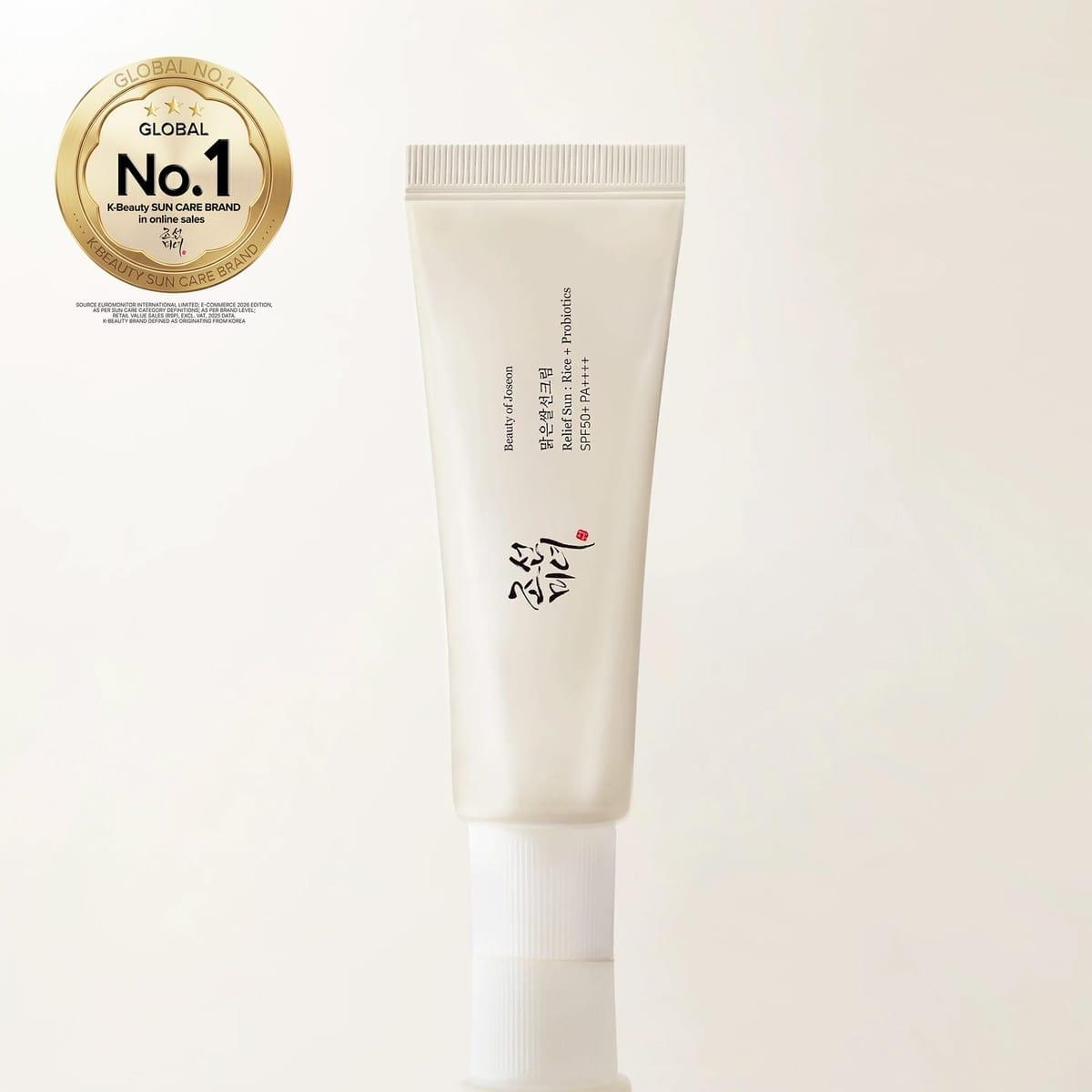 -46%
Beauty of Joseon
Beauty of Joseon Relief Sun: Rice + Probiotics SPF50+ PA++++
50ml+1 more size
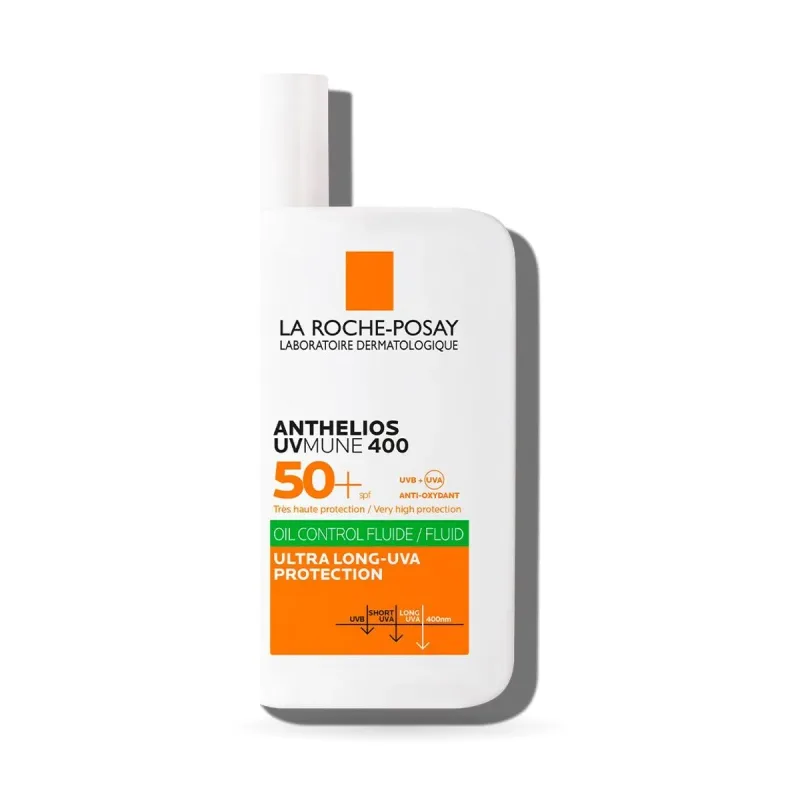 -25%
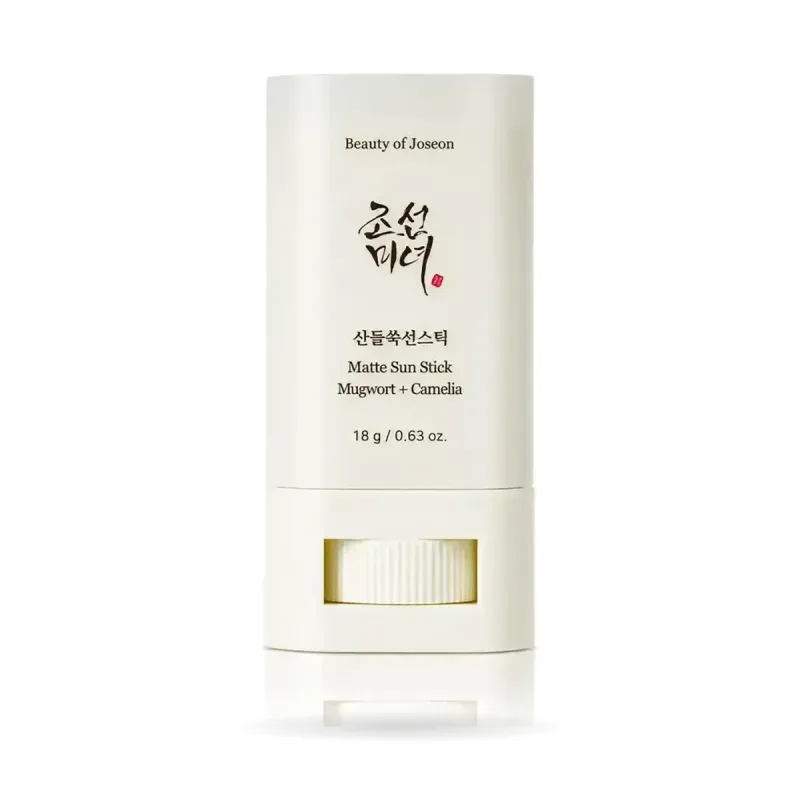 -14%
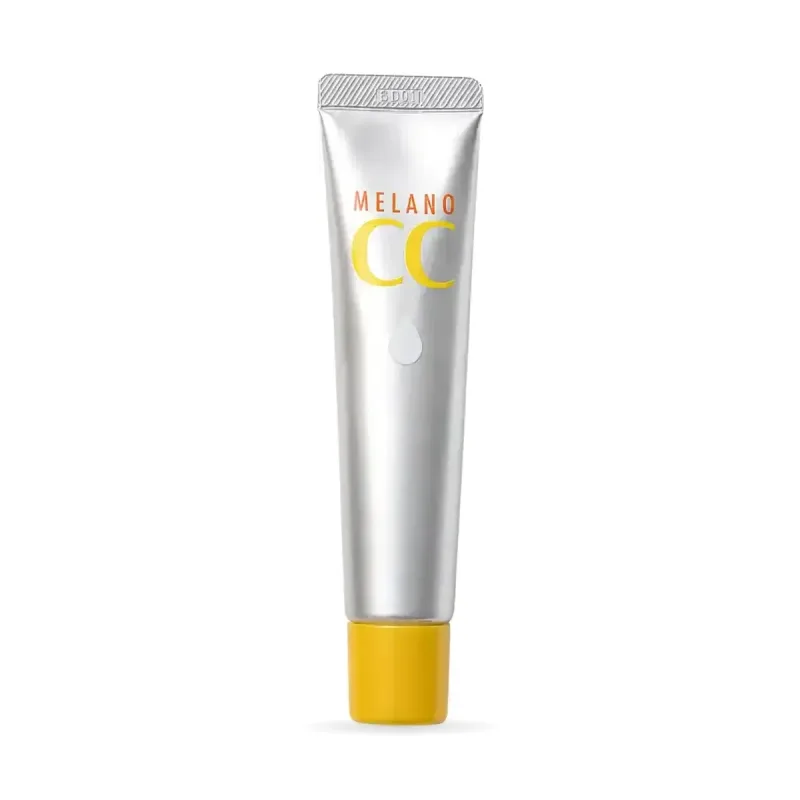 -17%
 -40%
 -5%
 -43%
 -8%
 -38%
Other questions
- How do I remove a sun tan from my face?
- First stop adding to it with a PA++++ sunscreen every day, reapplied every two to three hours outdoors. Then fade the tan with vitamin C in the morning and alpha arbutin at night, and a glycolic toner two nights a week. Most tans fade in four to eight weeks.
- Which sunscreen stops tanning?
- One marked PA++++, because PA measures UVA protection and UVA is the main cause of tanning. SPF only measures protection from burning. Use two finger-lengths for the face and neck and reapply when you are outdoors.
- Is a tan the same as dark spots?
- No. A tan is even darkening wherever the sun reached, and it fades once you protect from the sun. Dark spots are marks in one place, often after acne, and need targeted treatment for longer.
- রোদে পোড়া ট্যান দূর করার উপায় কী?
- প্রথমে প্রতিদিন PA++++ সানস্ক্রিন দিয়ে নতুন ট্যান থামান, বাইরে থাকলে দুই-তিন ঘণ্টা পরপর আবার লাগান। তারপর সকালে ভিটামিন সি আর রাতে আলফা আরবুটিন দিয়ে জমে থাকা ট্যান হালকা করুন। সাধারণত চার থেকে আট সপ্তাহ লাগে।
- লেবুর রস দিয়ে কি ট্যান ওঠে?
- না, বরং ক্ষতি হতে পারে। লেবুর রস লাগানো ত্বকে রোদ পড়লে পুড়ে আরও কালচে ছোপ পড়তে পারে। সানস্ক্রিন, ভিটামিন সি আর আলফা আরবুটিন নিরাপদ আর কার্যকর।
First published .This is general skincare advice, not medical advice. If you have a skin condition, see a dermatologist.