Serums & Essences
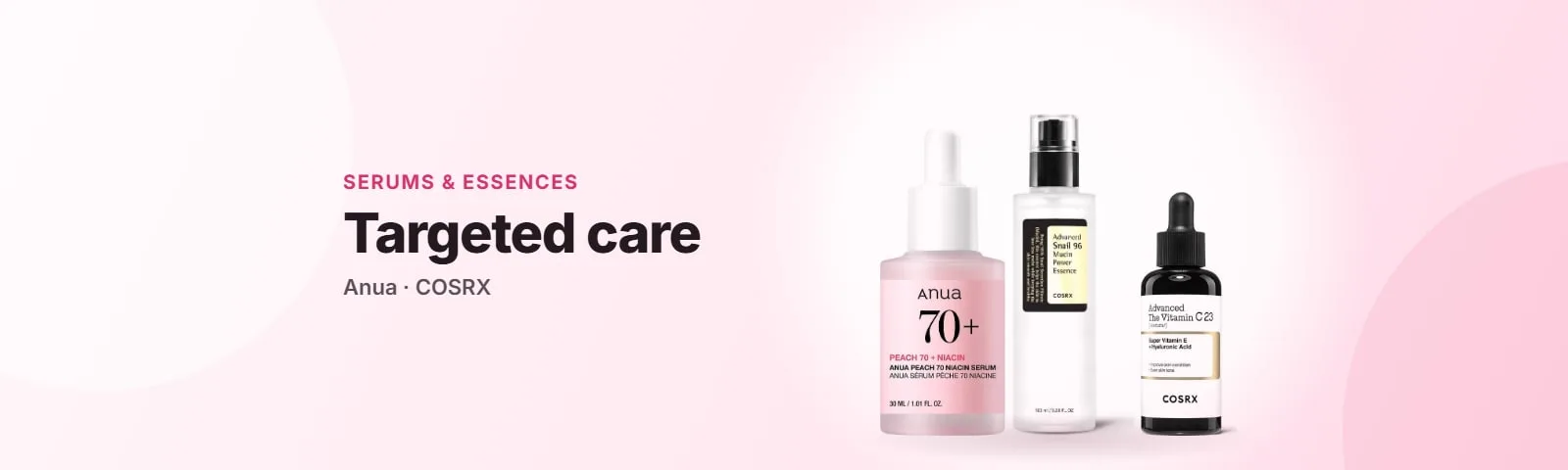
Serums & Essences
Targeted treatments for spots, pores, dullness and aging.
Showing 1–3 of 3 products
3 products
Products
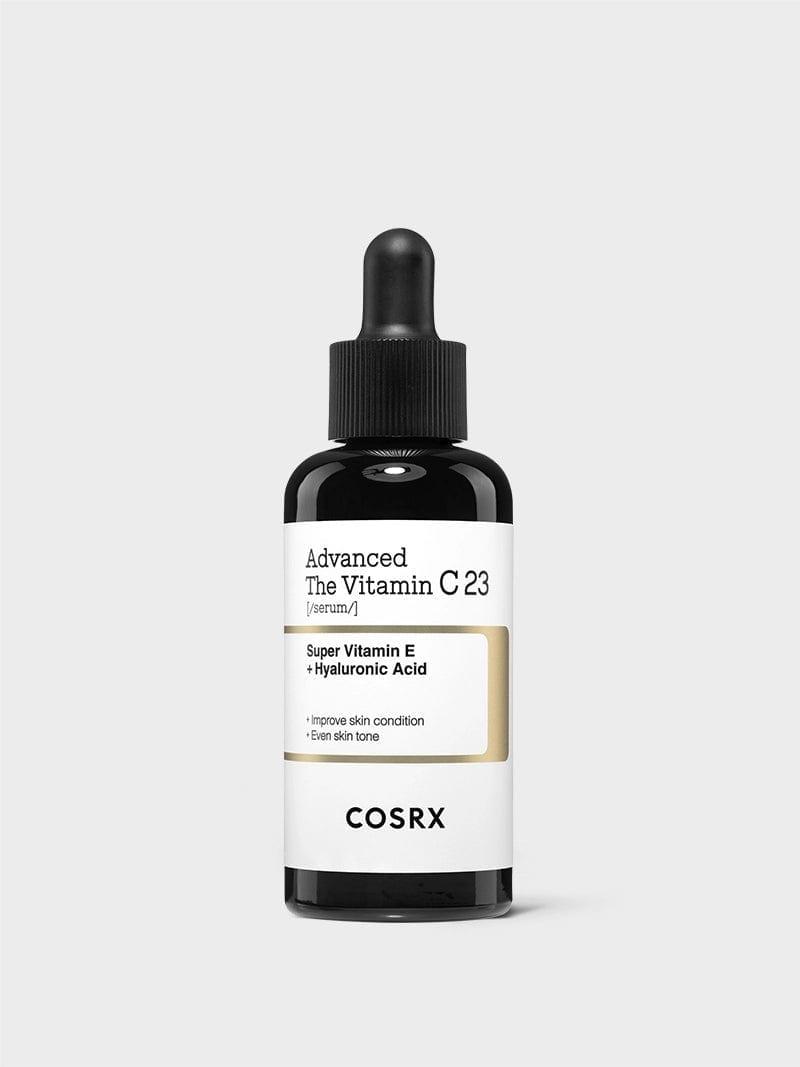 -31%
-31%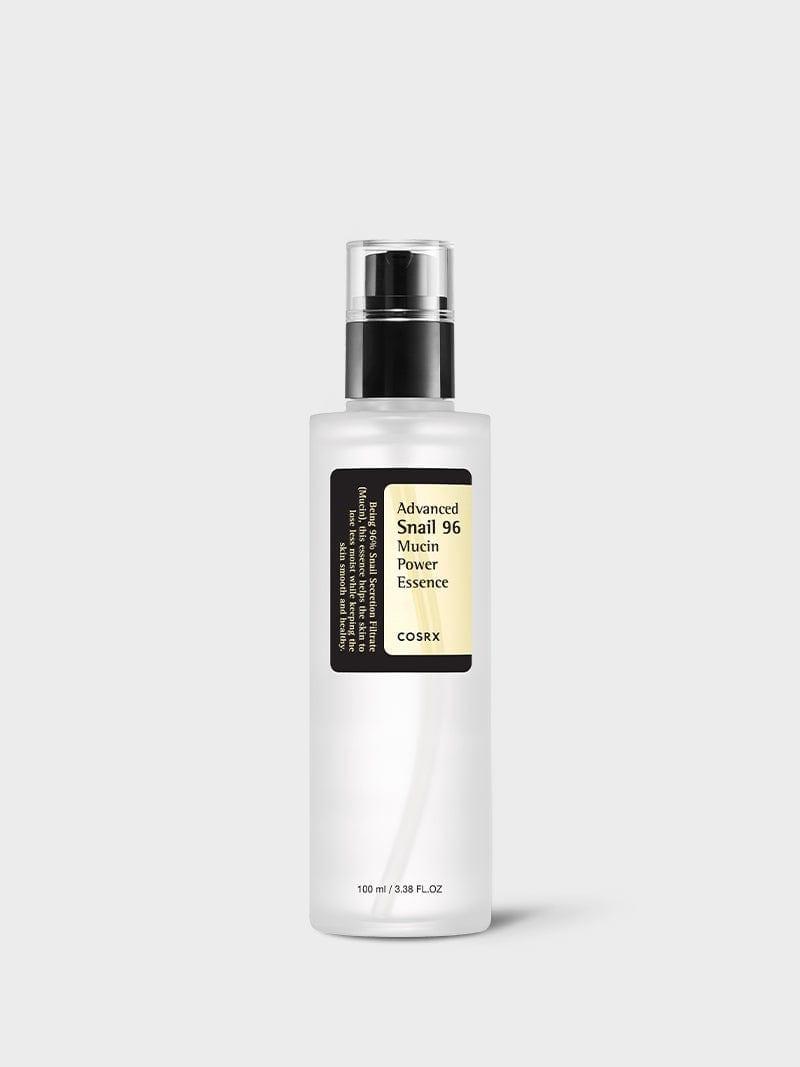 -33%
-33%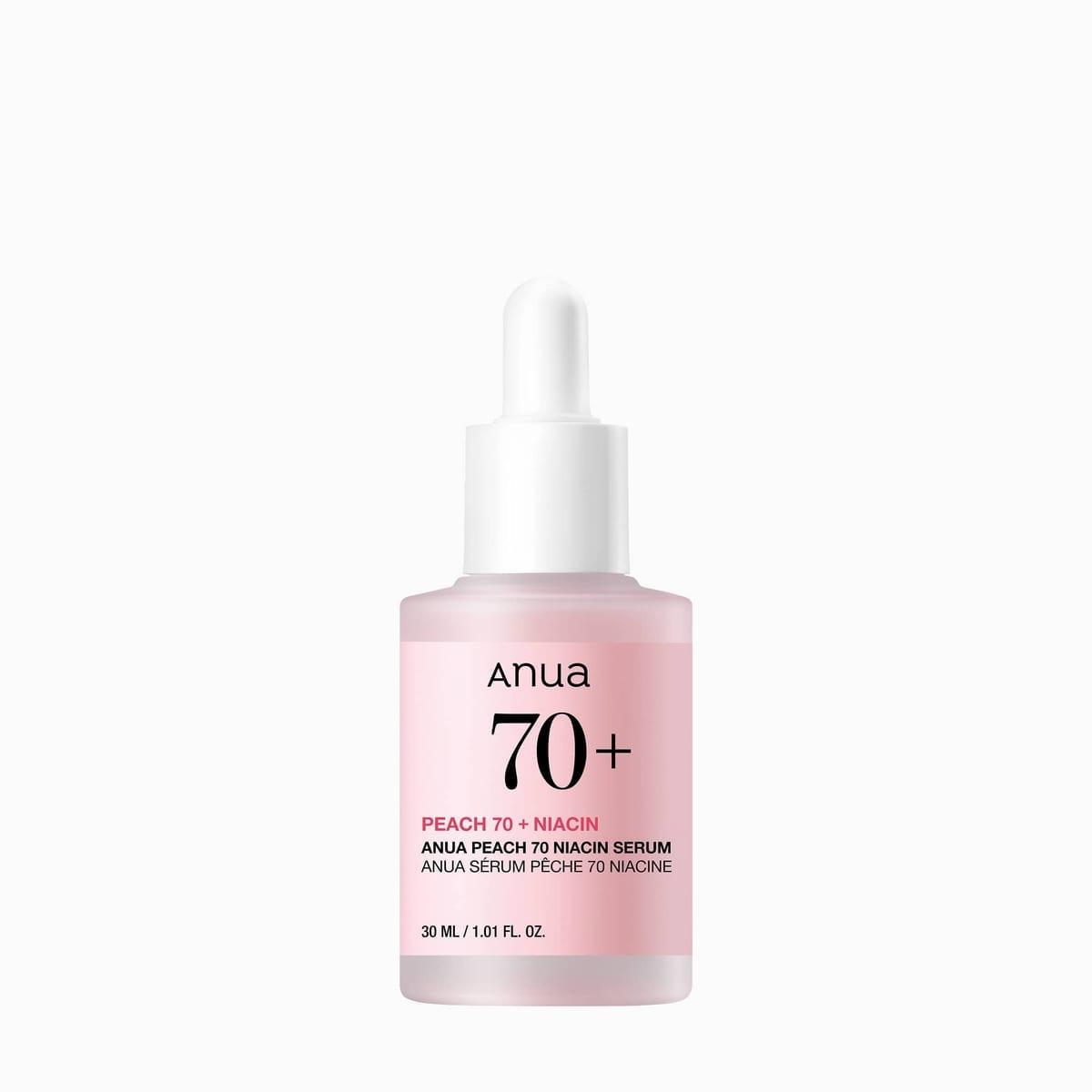 -44%
-44%About Serums & Essences
A serum is the most concentrated step in a routine and the one where the money actually goes. It sits between cleansing and moisturising, carries a high dose of one or two active ingredients, and is where a visible change comes from, if it is chosen for the right problem and used long enough to work.
Match the ingredient to the concern
Niacinamide (5–10%) is the safest all-rounder for skin here: it calms redness, reduces the look of pores and fades post-acne marks. Vitamin C in the morning brightens dullness and adds to sun protection. Salicylic acid clears the inside of a pore and suits oily, congested skin. Hyaluronic acid holds water rather than treating anything, which makes it a partner to the others rather than a replacement. Retinol is the strongest evidence-backed anti-ageing ingredient and belongs only in a night routine, introduced slowly.
Essences are not weak serums
An essence is watery, applied straight after cleansing, and its job is hydration and preparing the skin for what follows. Korean routines use both. In Dhaka's humidity, an essence plus a light gel moisturiser is often more comfortable than a heavy cream, and it is a better fit for skin that turns oily by afternoon.
Layer thin to thick, one new thing at a time
Water-like textures first, richer ones after. Give any new active six to eight weeks before judging it: cell turnover takes about a month, and post-acne marks fade over two to three. Introducing three actives at once means that when your skin reacts you will not know which one to stop.
Combinations to be careful with
Vitamin C and strong exfoliating acids in the same routine can irritate; use one in the morning and the other at night. Retinol with an acid on the same evening is a common cause of a damaged barrier: the stinging, flaking, suddenly-sensitive skin that follows an over-ambitious routine. And every serum in a morning routine still needs sunscreen over it: several of these ingredients make skin more sun-sensitive, and none of them can outrun UV damage.