Sensitive skin: how to build a routine that doesn't sting
Skinmax · · 4 min read · এই গাইডটি বাংলায় পড়ুন
Use fewer products, not more: a non-foaming cleanser, a soothing toner or serum, a barrier-repair moisturiser and a sunscreen that doesn't sting. Choose fragrance-free where you can, add one new product at a time, and patch test it for a few days first. Centella, heartleaf and ceramides calm sensitive skin. Strong acids, scrubs and high-strength actives can wait.
পণ্য বাড়াবেন না, কমান: ফেনাহীন মৃদু ফেসওয়াশ, একটি প্রশান্তিদায়ক টোনার বা সিরাম, ত্বকের ব্যারিয়ার মেরামতকারী ময়েশ্চারাইজার, আর এমন সানস্ক্রিন যা জ্বালা করে না। যতটা পারেন সুগন্ধিমুক্ত পণ্য নিন, একবারে একটি নতুন পণ্য শুরু করুন, আর আগে কয়েক দিন প্যাচ টেস্ট করুন। সেন্টেলা, হার্টলিফ আর সেরামাইড সংবেদনশীল ত্বক শান্ত রাখে। কড়া অ্যাসিড, স্ক্রাব আর উচ্চমাত্রার অ্যাকটিভ আপাতত বাদ দিন।
Your routine
Tap each step as you do it. We'll remember today's ticks.
Run this for four to six weeks before adding anything. Then one new product at a time, two weeks apart, patch tested on the jawline first.
Cash on delivery. We'll confirm sizes and stock in the chat.
On our skin test, a little over a third of people come out sensitive. Their skin stings when a product goes on, turns red after washing, or gets itchy and bumpy when they try something new. Heat makes it worse, and so does the cold, dry air of an air-conditioned office.
If that sounds like you, the most useful thing to know is that sensitive skin usually gets better with less.
What "sensitive" usually means
For most people, sensitive skin means a weak skin barrier. The barrier is the outer layer of the skin, made of cells held together by fats such as ceramides. When it's healthy, it keeps water in and irritants out. When it's damaged, by harsh washing, too many actives, sun or weather, things that should be harmless start to sting.
The good part is that a barrier can be repaired, and the routine below is built to do that.
Some redness isn't a barrier problem at all. Redness that never goes away, flushing with visible small blood vessels, patches that are scaly and very itchy, or swelling after a product are signs of rosacea, eczema or an allergy. Those need a dermatologist, and no cream from a shop replaces that.
A routine with four steps
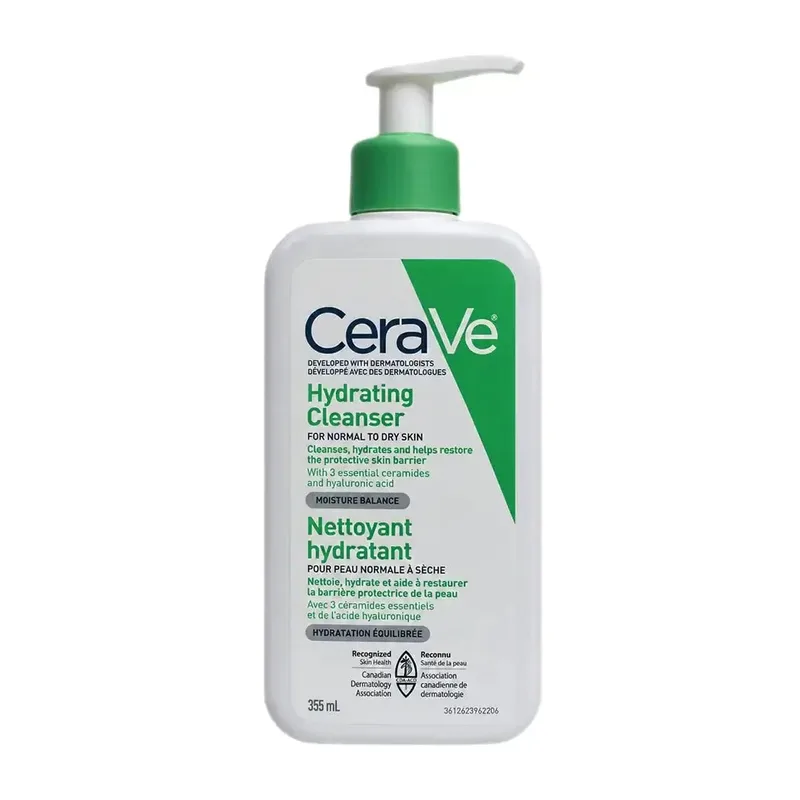
- A non-foaming cleanser. CeraVe Hydrating Facial Cleanser is a lotion that doesn't foam and leaves ceramides behind. Lukewarm water, no scrubbing, pat dry.
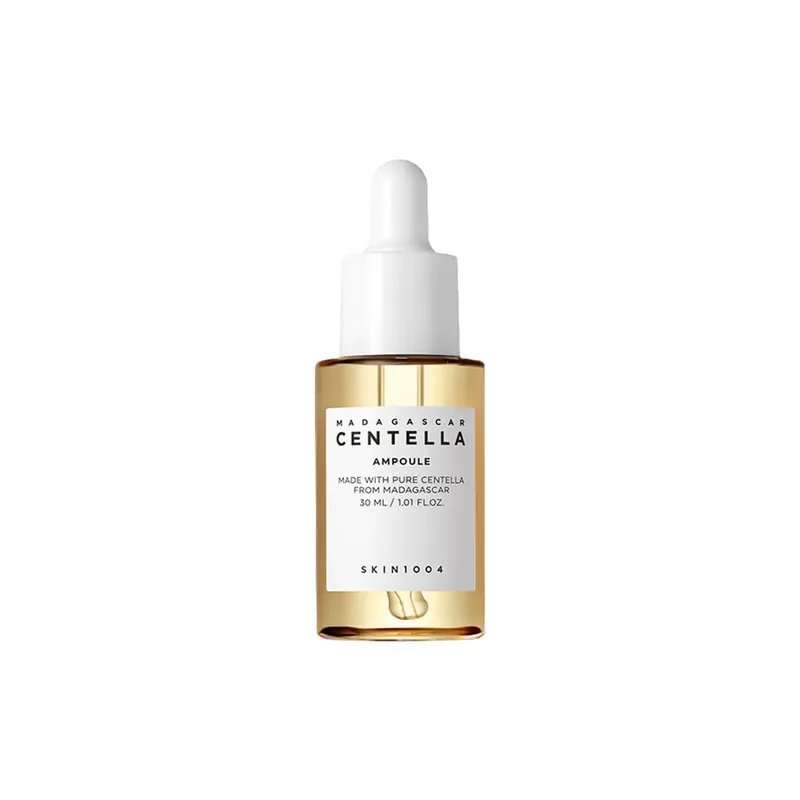
- Something soothing. Anua Heartleaf 77% Soothing Toner takes the heat out of red skin, and SKIN1004 Madagascar Centella Ampoule has an ingredient list so short there's very little in it to react to. Use one, not both, to start.
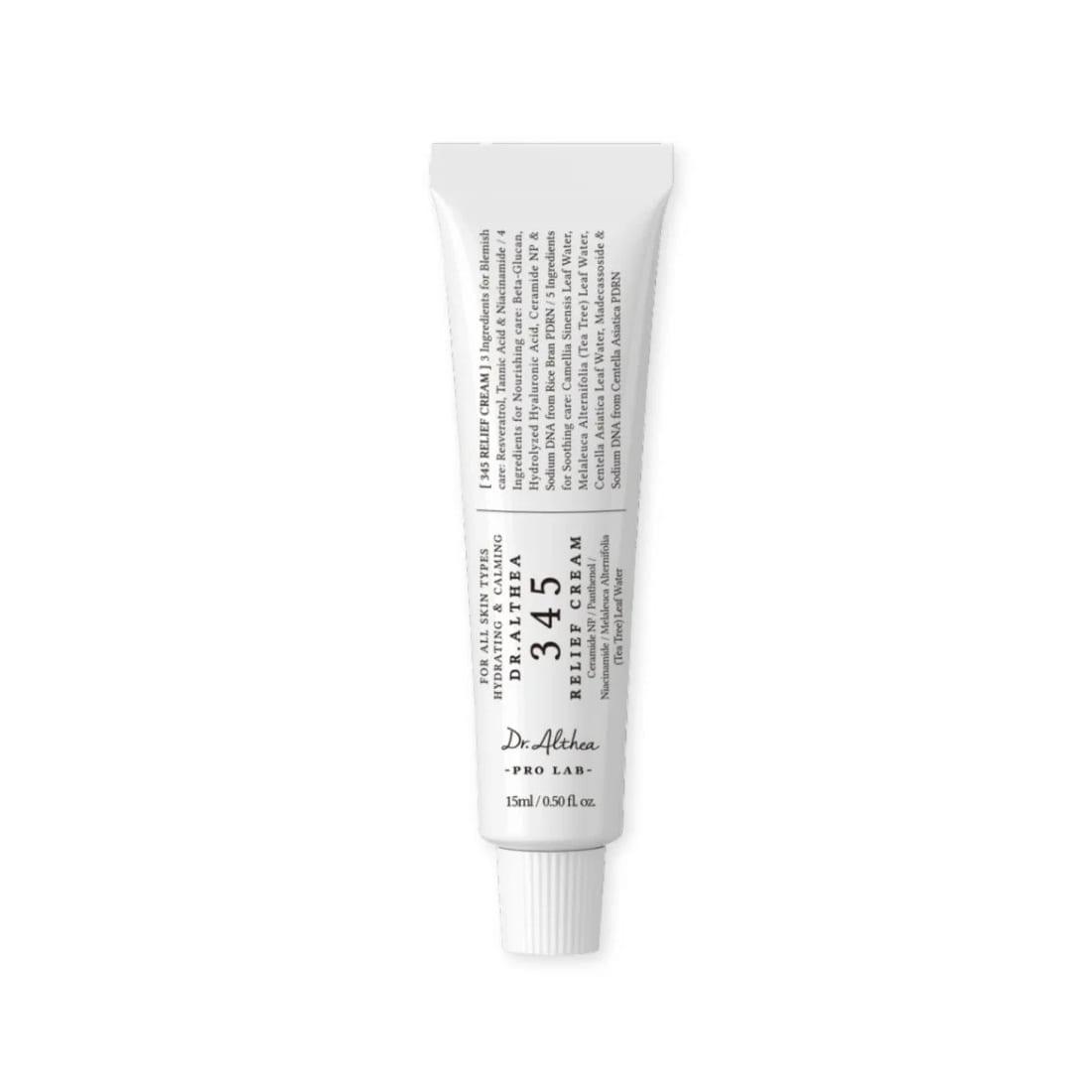
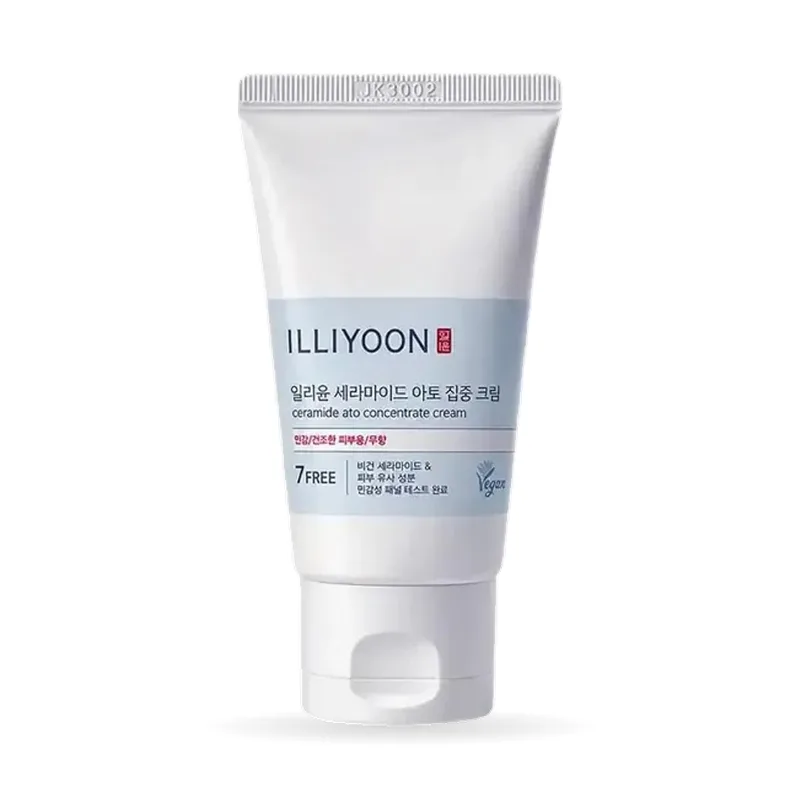
- A barrier-repair moisturiser. Dr.Althea 345 Relief Cream combines ceramides, peptides and hyaluronic acid. For very dry, flaky sensitive skin, ILLIYOON Ceramide Ato Concentrate Cream is richer.
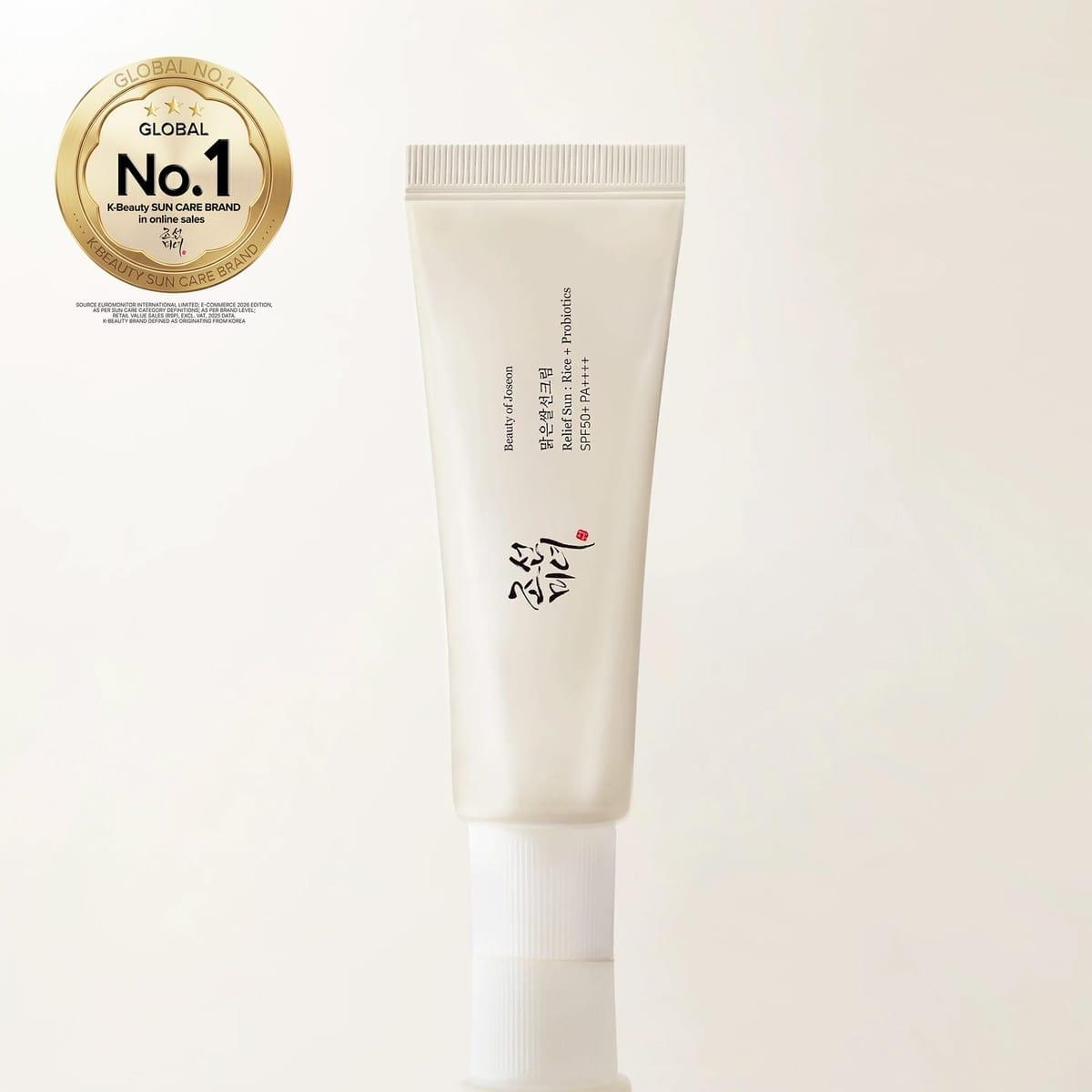
- Sunscreen in the morning. Sun is one of the biggest triggers for redness. Beauty of Joseon Relief Sun is known for not stinging, and the SKIN1004 Water-Fit Sun Serum has centella in it. If chemical filters ever sting your skin, a mineral sunscreen is the alternative.
That's the whole routine, morning and night, with the sunscreen swapped for a little more moisturiser at night. Stay with it for four to six weeks before adding anything.
How to patch test
Before a new product goes on your whole face, put a little on a small patch of skin along your jawline or behind your ear, once a day for three to five days. No redness, itching or bumps means you can try it on your face. It doesn't guarantee anything, but it catches most bad reactions before they spread.
And add only one new product at a time, two weeks apart. If something goes wrong, you'll know exactly what did it.
Ingredients that tend to help
Centella asiatica (often called cica), heartleaf, ceramides, panthenol, glycerin, hyaluronic acid and niacinamide at low strength are all generally well tolerated. Snail mucin suits many sensitive faces too.
Ingredients to treat carefully
Fragrance and essential oils are common triggers, so fragrance-free is the safer choice. Strong exfoliating acids, scrubs, high-strength vitamin C, retinol and 10% niacinamide can all be too much for a barrier that's struggling. Alcohol-heavy toners sting. None of these are banned forever. Once your skin has been calm for a couple of months, you can try one, slowly, at a low strength.
If you want to fade dark marks with sensitive skin, alpha arbutin is the gentlest route. We compare the options in niacinamide, tranexamic acid or alpha arbutin.
Small habits that make a difference
Wash with lukewarm water, never hot. Pat your face dry instead of rubbing. Use your hands, not cotton pads or cloths. Keep showers short in winter. And notice what sets your skin off, whether that's spicy food, a hot kitchen, a particular product or stress, because sensitive skin often has a pattern.
We sell the products named here, so weigh our picks with that in mind. If your skin reacts to almost everything, or the redness never fully settles, please see a dermatologist.
Do this, skip that
Swipe the cards
Myth or fact?
0/4Take a guess, then see why.
1 / 4
“Sensitive skin needs lots of products to calm it down.”
It's a myth. Usually the opposite. Fewer, gentler products give a weakened barrier the chance to repair.
2 / 4
“A patch test can catch most bad reactions early.”
It's a fact. Not every one, but three to five days on the jawline catches most before they reach your whole face.
3 / 4
“Natural ingredients never irritate sensitive skin.”
It's a myth. Essential oils, citrus and some plant extracts are common triggers. Natural isn't the same as gentle.
4 / 4
“Constant redness can be a sign of a skin condition.”
It's a fact. Redness that never fades, visible vessels or scaly itchy patches can be rosacea or eczema, which need a doctor.
Still not sure what your skin needs?
Ask us on WhatsApp. We'll reply with advice, not a sales pitch.
Ask usSee everything we stock for sensitive skin
Products mentioned
We sell these, so weigh our picks with that in mind.
 -37%
 -43%
 -22%
 -46%
Beauty of Joseon
Beauty of Joseon Relief Sun: Rice + Probiotics SPF50+ PA++++
50ml+1 more size
Other questions
- What is the best moisturiser for sensitive skin?
- A fragrance-free barrier-repair cream with ceramides, such as Dr.Althea 345 Relief Cream, or ILLIYOON Ceramide Ato Concentrate Cream for very dry sensitive skin. Patch test it on your jawline for a few days first.
- How do I patch test a skincare product?
- Apply a little to a small patch along your jawline or behind your ear once a day for three to five days. If there is no redness, itching or bumps, try it on your face. Add only one new product at a time.
- Why does my skin sting when I apply products?
- Stinging usually means the skin barrier is damaged, often by harsh cleansers, scrubs or too many actives. A short routine with a gentle cleanser, a ceramide moisturiser and sunscreen usually helps within a few weeks. Constant redness or swelling needs a dermatologist.
- সংবেদনশীল ত্বকের যত্ন কীভাবে নেব?
- কম পণ্য ব্যবহার করুন: ফেনাহীন মৃদু ফেসওয়াশ, একটি প্রশান্তিদায়ক টোনার বা সিরাম, সেরামাইড ময়েশ্চারাইজার আর সানস্ক্রিন। সুগন্ধিমুক্ত পণ্য নিন, আর নতুন কিছু শুরু করার আগে কয়েক দিন প্যাচ টেস্ট করুন।
- মুখে কিছু লাগালেই জ্বালা করে কেন?
- সাধারণত ত্বকের সুরক্ষা স্তর বা ব্যারিয়ার দুর্বল হলে এমন হয়। কড়া ফেসওয়াশ, স্ক্রাব বা অনেক অ্যাকটিভ একসাথে ব্যবহার এর কারণ। সব সময় লালচে থাকলে বা ফুলে গেলে চর্মরোগ বিশেষজ্ঞ দেখান।
First published .This is general skincare advice, not medical advice. If you have a skin condition, see a dermatologist.